
Retargeting 101: Win Back E-commerce Customers | Guide
A visitor browses your site, navigates a couple of pages, puts a product in their cart, and then disappears into the online ether. Sound familiar? Don't panic, you're not alone. About 98% of visitors
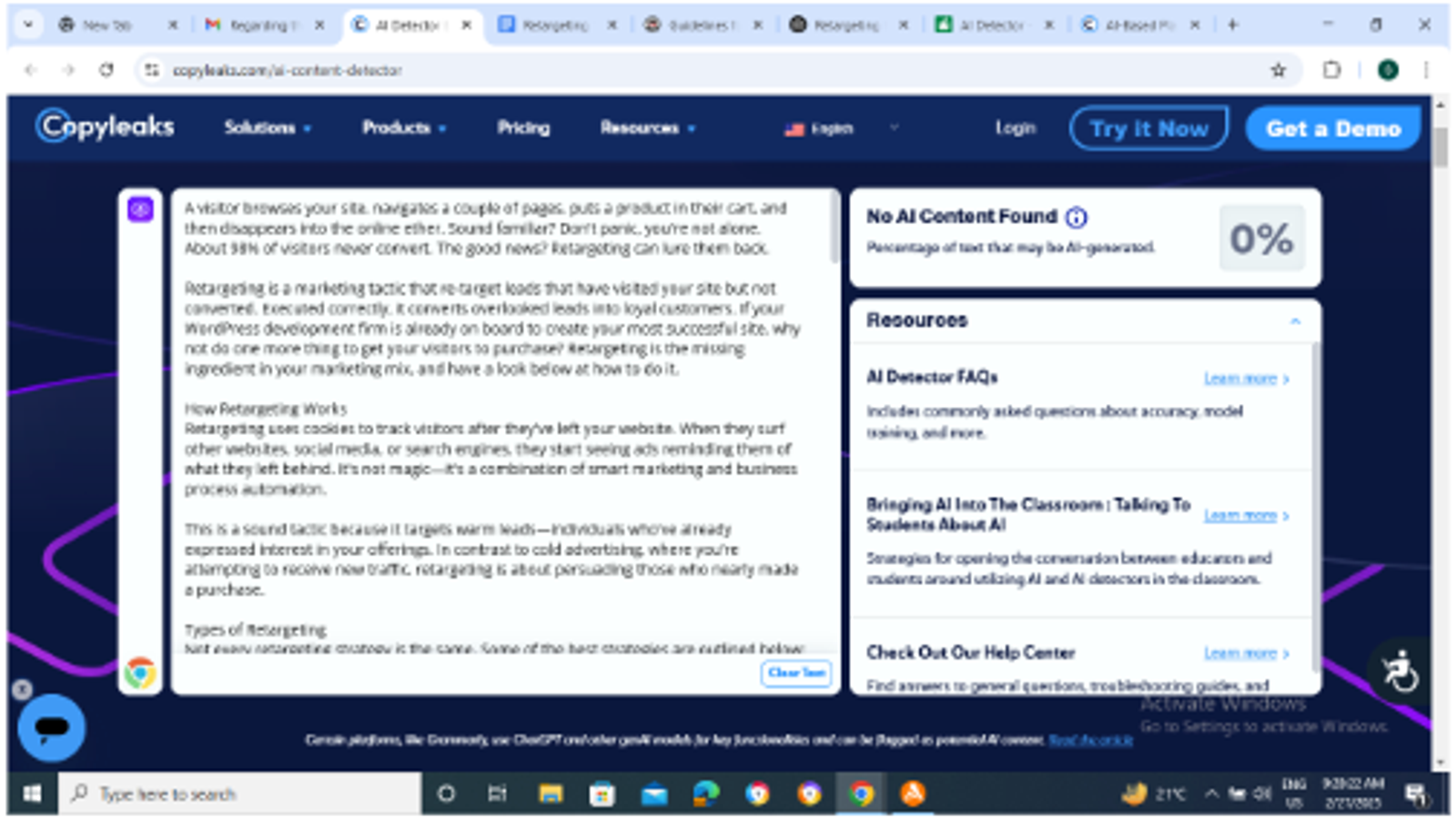
A visitor browses your site, navigates a couple of pages, puts a product in their cart, and then disappears into the online ether. Sound familiar? Don't panic, you're not alone. About 98% of visitors never convert. The good news? Retargeting can bring them back.
Retargeting is a marketing tactic that re-target leads that have visited your site but not converted. Executed correctly, it converts overlooked leads into loyal customers. If your WordPress development firm is already on board to create your most successful site, why not do one more thing to get your visitors to purchase? Retargeting is the missing ingredient in your marketing mix, and have a look below at how to do it.
Retargeting gets used interchangeably with remarketing more often than it should, but the two rely on different channels and fit different situations, so it is worth understanding the difference between remarketing and retargeting before you build out a campaign around either one.
How Retargeting Works
Retargeting uses cookies to track visitors after they've left your website. When they surf other websites, social media, or search engines, they start seeing ads reminding them of what they left behind. It's not magic—it's a combination of smart marketing and business process automation.
This is a sound tactic because it targets warm leads—individuals who've already expressed interest in your offerings. In contrast to cold advertising, where you're attempting to receive new traffic, retargeting is about persuading those who nearly made a purchase.
Types of Retargeting
Not every retargeting strategy is the same. Some of the best strategies are outlined below:
1. Site Retargeting
This is the most used type. When a visitor arrives at your website but fails to convert, you retarget them via Google, Facebook, and other network advertisements. WordPress web development professionals can optimize your website to increase conversion rates even before you are implementing retargeting campaigns.
2. Email Retargeting
Ever received an email with a subject line that read, "Did you forget something?" That's email retargeting in action. It works best as part of a business automation application that is prompted by user interaction.
3. Search Retargeting
This method centers on targeting users based on search intent. You could display an ad to a person looking for a product such as yours without them having visited your website.
4. Social Media Retargeting
According to a recent survey, 70% of Millennials make their buying decisions based on their product discoveries on social media networks. Facebook, Instagram, and LinkedIn allow businesses to retarget users with highly relevant ads. Custom WordPress development services can be employed here to create retargeted user-specific landing pages.
5. Dynamic Retargeting
Instead of generic ads, dynamic retargeting shows the same items a customer has looked at. This targeted method prompts leads to convert.
Steps to Launch a Successful Retargeting Campaign
1. Segment Your Audience
Not all your visitors are identical. The guy who came onto your homepage isn't the same guy who placed something in his cart. Write your ad to him. For example:
- Homepage visitors: Introduce them to an ad of your top-selling products.
- Product viewers: Display to them an ad for the exact same product they saw.
- Cart abandoners: Offer a discount or a free shipping to close the deal.
It's easier to segment with business process automation software that tracks how a user behaves and automatically displays advertising based on those actions.
2. Use a Business Process Automation Tool
Retargeting campaigns take a lot of time to handle manually. Automation in Business ensures the ads are triggered at the right time without constant human effort.
If you're wondering, what is business process automation, it is the use of software to perform repetitive marketing, sales, and customer service tasks—like sending cart abandonment emails or customer segmentation.
3. Optimize Ad Creatives
Nobody wants to see the same boring ad 15 times per day. Test different headlines, images, and promotions with A/B testing. Effective landing pages design for each ad variation can be created by a bespoke WordPress development agency.
4. Place Frequency Limits
Rotating your ad too frequently will irritate potential customers. Find a balance—remind them without bothering them.
5. Embrace Business Process Automation Strategy
Retargeting campaigns are most successful when they are automated. Leverage business process automation strategy to automate ad delivery, budgeting, and campaign optimization in real time based on user behavior.
The Application of Automation in Retargeting
Having an e-commerce company with no automation is like attempting to fill a bathtub using a spoon. If you are going to scale the right way, business process automation is important to manage your marketing, inventory, and with your customers.
And if you still don't know what is automation in business, here's how it can benefit retargeting:
- Automatically puts ads in places where users click.
- Triggers product reminder email series and cart abandonment email series.
- Optimizes budget allocation to different audience segments.
If you are aware of how to automate your business, you will not lose time and money conducting profitable retargeting campaigns.
Common Retargeting Errors to Evade
1. Not Excluding Converted Customers
Advertising to individuals who have already bought is a budgetary waste. Remove them from retargeting lists to conserve your budget.
2. Generic Ad Usage
Retargeting is most effective when the ads are personalized. If a user looked at a specific product, he or she must be shown an ad for the very same product, not a generic "Back to our store" advertisement.
3. Disregarding Mobile Users
Over 50% of e-commerce traffic is generated by mobile devices. Make sure that your retargeting ads are mobile-friendly and opt for custom WordPress development to provide a richer mobile user experience.
4. Overloading visitors with advertisements
Yes, you do want customers to come back, but there's a thin line between convincing and annoying. Use automation of processes to manage how frequently someone will see your advertisements.
How to Automate Your Business Process to Retarget?
Business process automation knowledge improves retargeting efficiency. Here are some automation tools you can streamline your work with:
- Google Ads & Facebook Ads Manager – Place ads automatically and manage bids.
- Email Marketing Automation (e.g., Klaviyo or Mailchimp) – Send specific emails based on customer actions.
- CRM & Customer Segmentation Tools – Automate ad targeting and audience segmentation.
Using these tools, you are able to automate your business process and enjoy running retargeting campaigns with minimal need for constantly entering things.
Final Thoughts
Retargeting should not be an afterthought to your marketing plan—it's necessary if you're going to get the most conversions. An optimized e-commerce website, built thanks to a WordPress development firm, gets them in the door. Retargeting makes them actually convert.
Business process automation tools embedded in your campaigns make them effective and efficient. Email reminders, dynamic ads, and social media retargeting – whatever it is, the key is to master how to automate your business processes. Don't let leads slip away. Streamline your business process, refine your retargeting approach, and convert lost visitors into revenue.
Find out what's stopping visitors from calling you.
Right now, someone is on your website comparing you to two other firms. The Conversion Diagnostic scores how well your site turns that visit into a booked consultation, and shows you exactly what's creating the friction. Free. Takes 2 minutes.